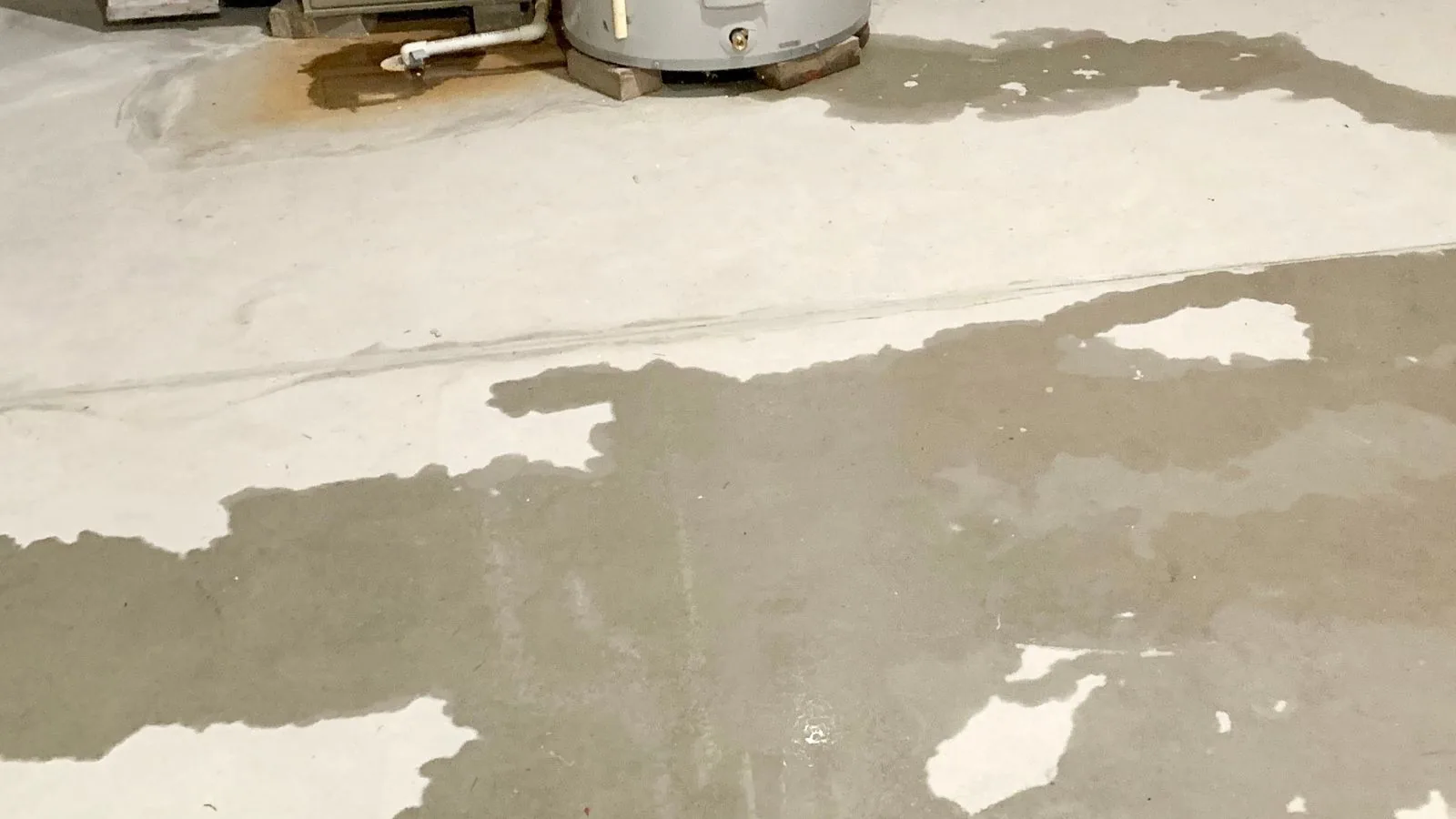
A flooded basement is an emergency because water below grade cannot drain by gravity, and it sits against walls, floors and everything stored there. If water is standing in your Wildwood basement, stay out if it is deep or near electrical equipment, and call the 24/7 line.
Basement water damage cleanup is the removal of water, wet contents and wet materials from a below-grade space, followed by drying and sanitizing.
When basement water is an emergency
Call right away if the water is deeper than a few inches, if it is still rising, if it reached the furnace, water heater or electrical panel, if it came with sewage, or if the sump pump has failed. Water against a foundation can also stress walls.
Do not enter a basement while water is rising or touches outlets. Do not run a generator inside. Do not pump water out fast if the ground outside is saturated, since sudden pressure changes can damage walls. Crews pump in stages.
Deep water, power and fumes
Basement water can hide stairs, holes and live wiring. If the panel is in the basement, do not wade to it. Call the electric utility and 911 for any shock risk. Never use gas-powered pumps or generators indoors because carbon monoxide builds quickly.
Where basement water comes from
Heavy rain pushes groundwater through cracks, floor joints and window wells. Sump pumps fail from power loss, clogged lines or old age. Supply and drain lines leak. Water heaters and washers fail. Sewer lines back up. Wildwood's creeks and ridges mean groundwater and runoff are real factors, and creek flooding is covered on the flood page.
The cleanup sequence
Crews pump out standing water in stages, remove wet contents, and pull wet carpet and pad. Drywall that wicked water is cut above the waterline. Concrete and block are cleaned and dried. Air movers and dehumidifiers then run until readings return to normal, which the structural drying page explains.
Humidity is a challenge in basements, so dehumidifiers run longer. The EPA advises keeping indoor humidity below 60 percent, and ideally between 30 and 50 percent.
| Source | Typical response |
|---|---|
| Groundwater seepage | Extract, dry, address drainage |
| Sump pump failure | Extract, dry, repair or replace pump |
| Supply line or appliance | Extract, dry, see appliance page |
| Sewage backup | Contaminated protocol, see sewage page |
| Creek or river flooding | Contaminated protocol, permits may apply |
Permits and floodplain rules
In a mapped floodplain, Wildwood's code requires a floodplain development permit, and it requires residential lowest floors, basements included, to sit two feet above base flood elevation for new or substantially damaged buildings. Substantial damage means the repair cost is 50 percent or more of the building's value. Ask the city before rebuilding a flooded basement.
Sump pumps and backup power
Many basement floods start with a sump pump that failed at the worst time. Pumps fail from power loss during storms, from a stuck float, from a clogged intake and from simple age. If your pump runs often, check it each spring by pouring a bucket of water into the pit and watching it start and empty.
A battery backup pump or a water-powered backup keeps working when the power is out. Make sure the discharge line sends water well away from the foundation, because water that runs back toward the house returns to the pit.
Finished and unfinished basements
An unfinished basement with bare concrete and block is the easier case. Water is pumped out, the floor and walls are cleaned and dried, and stored items are sorted. A finished basement is harder, because carpet, pad, drywall, trim, insulation and cabinets all hold water.
In a finished space, the crew removes wet drywall above the waterline, pulls carpet and pad, and opens the wall base so air can reach the cavity. Contents are sorted into items that can be dried, cleaned or discarded. Photograph everything on the way out, because your insurer may want a list.
What to move and what to leave
Move small valuables, papers and electronics to higher ground first. Leave heavy furniture to the crew if the floor is wet. Do not carry soaked boxes up the stairs, since wet cardboard fails without warning. Anything that touched flood water or sewage should be treated as contaminated.
Standards and sources
Basement drying follows the ANSI/IICRC S500 standard, and the EPA says to dry water-damaged areas within 24 to 48 hours to prevent mold. The USGS also publishes flood data for the Meramec if you want to understand the river that feeds nearby groundwater.
What affects the cost
- Depth and duration. Water that sat longer soaks deeper.
- Contamination. Flood or sewage water adds protective measures.
- Finished space. Carpet, drywall and cabinets raise removal costs.
- Drying time. Basements dry slowly.
- Prevention. Sump pumps and drainage work are separate from the dry-out.
Want your real number? Call the line. Scope and price are explained before work starts.
Basement flooded?
Stay out of deep water and call.
Insurance and basement water
Water backup and sump overflow coverage is often a separate endorsement, and flood is usually excluded, as the Missouri Department of Commerce and Insurance says. Photograph the damage, keep receipts and ask your insurer.
Basement Water Damage questions answered
Do you handle basement flooding emergencies at night or on weekends in Wildwood?
Yes. The line is open 24 hours a day. Same-day response is offered when it is available.
Should I pump the water out myself?
A little, if safe. Large volumes should be pumped in stages to avoid wall stress.
How long to dry a basement?
It varies. Readings tell you, not the calendar.
Will my sump pump be fixed?
A plumber handles pump repair. Restoration dries the space and may advise on prevention.