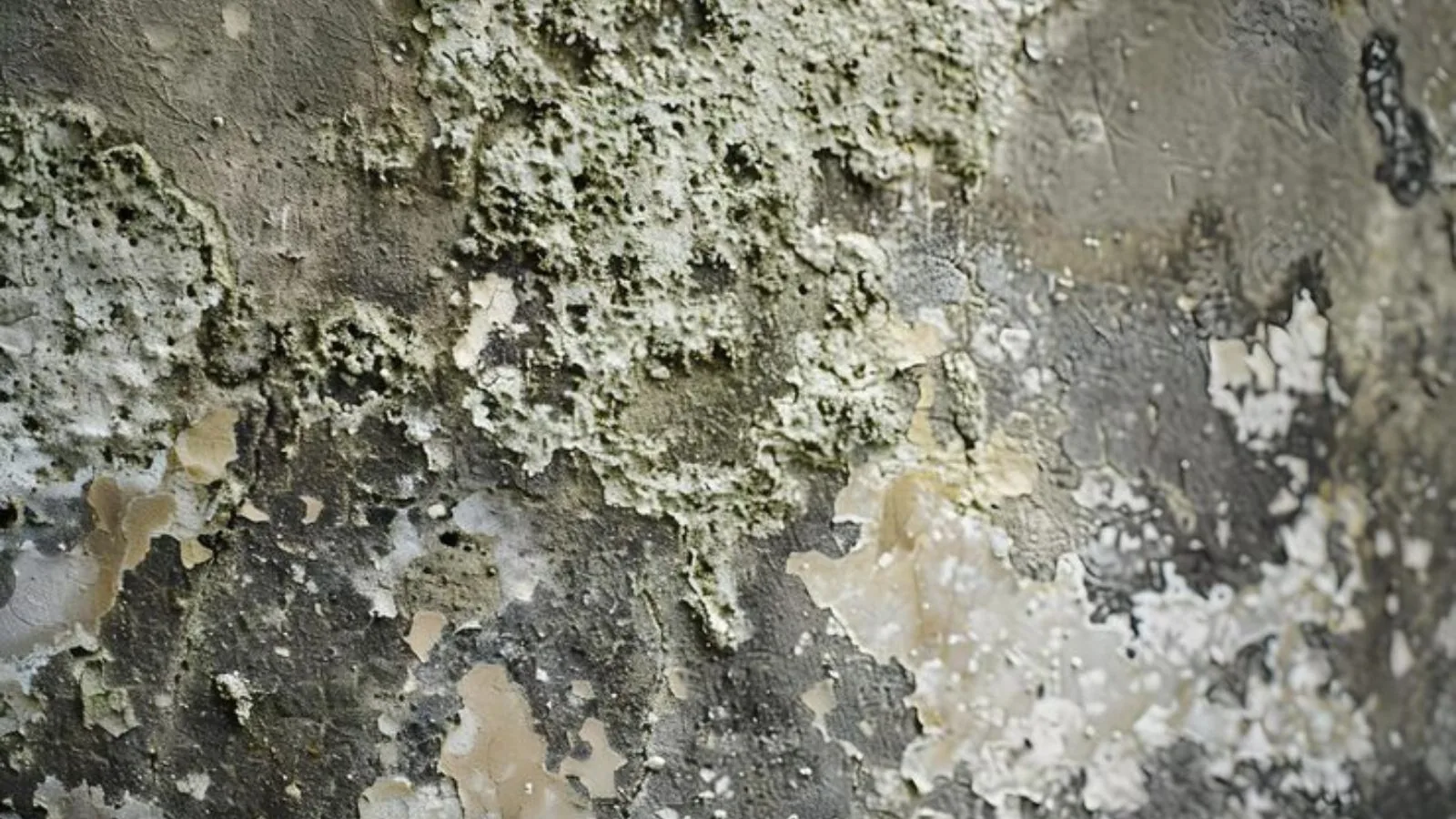
Mold remediation is the containment, removal and cleaning of mold growth, along with fixing the moisture that caused it. Mold needs water to grow, so the work starts with the source. Mold spores are everywhere, and they grow when materials stay wet, which the EPA says can begin within 24 to 48 hours.
Symptoms that signal mold
A musty smell is often the first sign. Other signs are dark or fuzzy patches on drywall, ceiling tile, carpet backing or framing, peeling paint, and condensation on cold surfaces. People may notice stuffiness or irritation, but symptoms alone do not confirm mold.
If a leak or flood went undried for more than a couple of days, assume growth is possible, even if you cannot see it. Look behind baseboards, under sinks, in basements and in closets near the water.
Do not disturb it
Do not scrub or brush mold, do not use a household vacuum on it and do not run the HVAC system through the affected area, because these steps spread spores. People with asthma, allergies or weak immune systems should stay out of the area. Wear at least an N95 respirator, gloves and goggles if you must enter.
Do-it-yourself or professional
The EPA says that if mold covers less than about 10 square feet, most people can clean it themselves, with care. Larger areas, mold inside walls, mold from sewage or flood water, and mold that comes back call for professionals. The EPA also notes there are no federal limits for mold, so testing can only tell you what is present and not whether it is safe.
Mold sampling is something professionals do, and results need interpretation. Visible growth and a moisture source are what drive the plan, not a lab number. Missouri licensing for mold work is not something this page can confirm, so ask whether your state or city licenses it and ask for proof.
How remediation is done
Industry practice follows the IICRC S520 standard for mold remediation. The work includes controlling the moisture source, setting up containment with plastic barriers and negative air pressure, running HEPA air filtration, removing materials that cannot be cleaned, cleaning surfaces and drying the area.
Porous items that are moldy, like drywall, carpet and insulation, are bagged and removed. Wood framing is cleaned and dried. After cleaning, the area is checked visually and with moisture readings. The structural drying page explains the drying standard.
| Condition | Typical approach |
|---|---|
| Small patch on a hard surface | Careful cleaning, fix moisture |
| Growth on drywall | Cut out and replace |
| Growth in carpet or pad | Remove |
| Growth on framing | Clean, dry and monitor |
| Large or hidden growth | Containment, HEPA filtration, removal |
Prevent it from coming back
Keep indoor humidity below 60 percent, ideally between 30 and 50 percent, according to the EPA. Fix leaks quickly, run bath and kitchen fans, and keep crawl spaces and basements ventilated. Dry anything that gets wet within a day or two. Related pages include crawl space water damage and basement cleanup.
Mold and your HVAC system
If mold grew near an air handler or return, spores can be moved through the ducts. Duct cleaning is a separate question, and the EPA says it is not routinely needed. If ducts are wet or visibly moldy, they need attention from an HVAC professional. Do not run the system through an affected area during cleanup.
After remediation
When the work is done, ask for a written summary of what was removed, what was cleaned and what readings were recorded. A visual check and dry readings are the basic proof. Some homeowners also ask for post-remediation sampling by an independent party. Keep the paperwork with your house records, because buyers and insurers often ask for it.
Keep checking for a month or two. A musty smell, new spots or condensation means moisture has returned.
What affects the cost
- Area and location. Wall cavities and attics add difficulty.
- Containment. Barriers and air filtration are labor-intensive.
- Materials removed. Drywall, carpet and insulation are bagged and replaced.
- Source. Fixing the moisture source may be a separate job.
- Rebuild. Replacement finishes are priced separately.
Want your real number? Call the line. Scope and price are explained before work starts.
Mold after water damage?
Describe what you see and call.
Insurance and mold
Mold coverage varies widely. Some policies cover it only when it follows a covered water loss, and many cap or exclude it. Photograph the growth, keep records and ask your insurer.
Mold Remediation questions answered
Can I clean mold myself?
Small patches on hard surfaces, with protection. The EPA gives about 10 square feet as a rough limit.
Do I need a mold test?
Often not. Visible growth and moisture drive the plan, and the EPA notes there are no federal mold limits.
Is bleach the answer?
No. Remove the growth and fix the moisture. Cleaning dead mold from porous materials is not enough.
How do I know a company is qualified?
Ask whether your state licenses mold work, ask for proof of license and insurance, and ask what standard they follow.