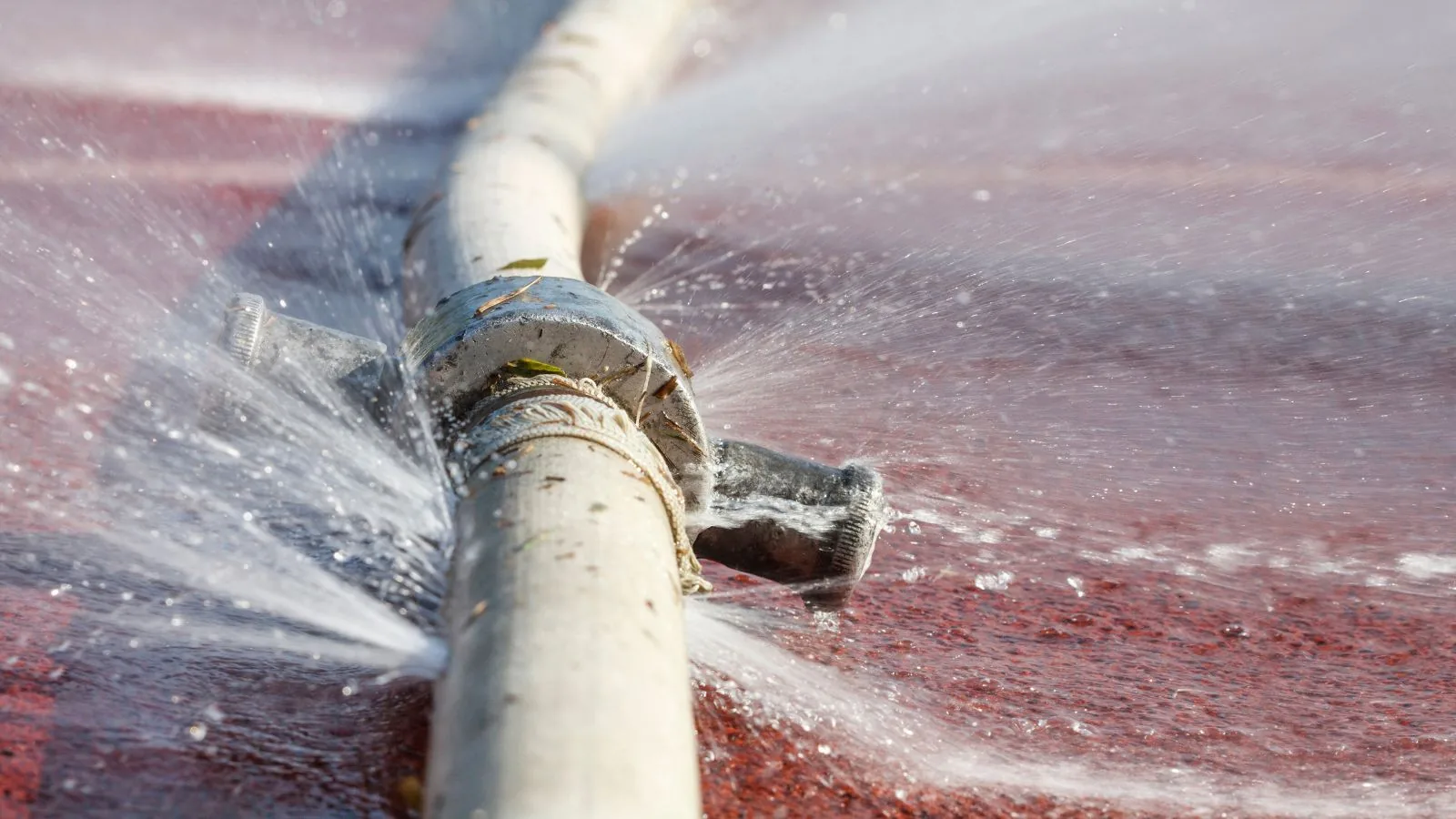
Whether homeowners insurance covers water damage depends on where the water came from, how fast it arrived and what your policy says. As a rule, sudden and accidental water damage inside the house is often covered. Flood damage is usually not covered and has to be bought separately. This post explains the difference, using guidance from the Missouri Department of Commerce and Insurance, and does not replace your policy or your insurer.
The short version
Most standard homeowners policies cover water damage that is sudden and accidental. A supply line that bursts, a water heater that fails or a dishwasher hose that splits fits that description. The cost to dry and repair the home is often covered, and the broken part itself often is not.
Policies often exclude damage from gradual leaks, neglected maintenance and flooding. Sewer or drain backup is typically an add-on. Because wording varies, the only reliable answer comes from your own declarations page and endorsements.
What is often covered
These situations commonly fall under a standard policy, though details differ.
- A burst or frozen pipe that releases water suddenly.
- An appliance supply line or drain hose that fails.
- Water from a roof opened by wind or hail.
- Accidental overflow from a bathtub or sink.
- Water discharged when a fire sprinkler or plumbing fixture fails.
The burst pipe page and the storm water page describe how those losses are cleaned up.
What is often excluded
Several situations commonly fall outside a standard policy.
- Flood, meaning water from rivers, creeks and surface runoff. The Missouri Department of Commerce and Insurance says flood damage is not typically covered and must be purchased separately.
- Sewer or drain backup, unless the policy has an endorsement for it.
- Slow leaks that went on for weeks or months.
- Seepage and groundwater through foundation walls.
- Damage that comes from neglect, such as a leak that was ignored.
What the Missouri regulator advises
The department's consumer guidance for water losses is practical. Document the damage and photograph it before you make temporary repairs. Make the temporary repairs that stop further loss. Keep receipts for what you spend. Contact your insurer promptly, and keep notes of whom you spoke with and when. No claim deadline appears in the guidance we reviewed, but policies set their own notice terms, so read yours.
Wildwood has two different water risks
Wildwood covers more than 60 square miles of ridges, creeks and older communities. Wild Horse Creek has recurring flooding and roadway overtopping, according to the city's Board of Public Safety in August 2025. Homes near creeks face a flood risk that a standard policy does not cover, and homes anywhere face pipe and appliance risk that it often does. Ask your insurer about both, and check your address on the FEMA flood map.
Questions worth asking your insurer
Calls go better with specific questions. Ask what the policy says about sudden versus gradual water damage, whether sewer backup is covered and up to what limit, whether there is a separate water damage deductible, whether mold is covered after a covered loss, and what documentation they need. Write down the answers with the date.
Also ask whether the policy pays for temporary repairs and drying equipment, and whether you should get their approval before work begins. Some insurers have preferred vendors, and you are generally free to choose your own contractor.
What a restoration company can and cannot do
A restoration crew dries and repairs the house. It does not decide what your policy covers, and no company can promise that a claim will be approved. What a crew can do is document the loss with photos, moisture readings and notes, which insurers often ask for. The structural drying page explains what those readings look like.
Why mitigation should not wait
The EPA advises drying water-damaged areas within 24 to 48 hours to limit mold. Waiting several days for a claim decision can turn a covered water loss into a larger and less covered mold problem. Many policies expect you to take reasonable steps to prevent further damage, and drying is one of them. Photograph, call your insurer, and start mitigation.
For flooding specifically, the flood damage page explains the cleanup, and the Eureka page shows what river flooding has done in a nearby town. For contaminated water, see the sewage backup page.
A simple order of operations
When water shows up, this order works for most homeowners.
- Stop the source if you can do it safely.
- Photograph and video the damage before anything is moved.
- Call the 24/7 line so drying can begin.
- Call your insurer and ask what they need.
- Keep every receipt and every note.
Deductibles and what they mean
Your deductible is the amount you pay before the policy pays. Many policies have a standard deductible for most losses, and some have a separate and higher one for wind and hail. A small leak whose repair cost is near your deductible may not be worth a claim, while a large loss almost always is. Ask your insurer how a claim affects your premium and your record before you decide.
Document the loss either way. A claim you choose not to file today can matter if the damage turns out larger later.
Additional living expenses
If the damage makes your home unlivable, some policies pay for temporary housing, meals above your normal cost and similar expenses. This is often called additional living expense coverage. Keep receipts and ask your insurer about limits and time frames before you book anything.
Questions homeowners ask
Is a burst pipe covered by homeowners insurance?
Often the water damage is covered when the burst was sudden and accidental. The pipe repair itself often is not. Check your policy.
Is flood damage covered in Missouri?
Not typically by standard homeowners policies. The Missouri Department of Commerce and Insurance says it must be purchased separately.
Does Wildwood's creek flooding fall under my standard policy?
Creek overflow is generally treated as flood, and flood is usually excluded. Ask your insurer about flood coverage and check the FEMA map.
Should I call my insurer or the restoration company first?
Do both quickly. Call the line so drying can start, and call your insurer so the claim is opened.