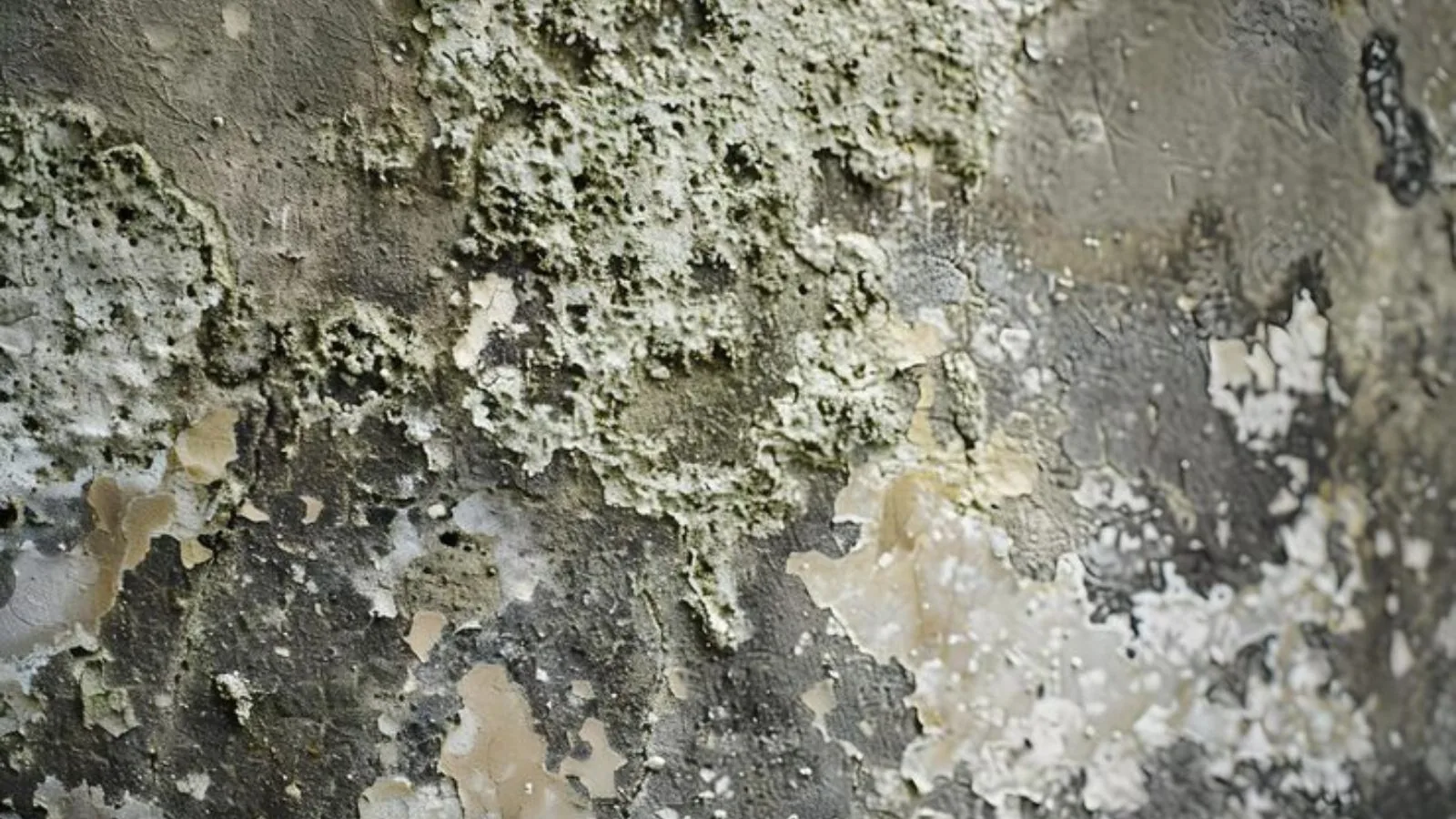
A small patch of mold on a hard basement surface is something many homeowners can clean. The EPA says that if the area is less than about 10 square feet, a careful do-it-yourself cleanup is reasonable. This post gives the steps, the protective gear and the signs that mean you should stop and call a professional instead.
First, decide whether this is a do-it-yourself job
Do it yourself only if all of these are true.
- The growth is under about 10 square feet.
- It is on a hard, non-porous surface such as concrete, tile or sealed wood.
- It did not come from sewage or flood water.
- Nobody doing the work has asthma, allergies or a weak immune system.
- You know where the moisture came from and have stopped it.
If any of those is false, skip to the last section. The mold remediation page explains the professional approach.
Gather protection
Wear an N95 respirator at minimum, rubber gloves, long sleeves and goggles without ventilation holes. Open a window or run a fan to the outside if you can. Keep children and pets away. Put on clothes you can wash right away.
Do not mix cleaners
Never mix bleach with ammonia or other cleaners because the fumes are toxic. Do not brush dry mold, which sends spores into the air. Do not run your furnace or air handler while the work is under way.
Step by step
- Fix the moisture source first. A cleaned wall that stays damp will grow mold again.
- Mist the area lightly with water so spores do not rise when you work.
- Scrub hard surfaces with detergent and water, using a stiff brush or a cloth.
- Wipe the area with clean water and a clean cloth.
- Dry it completely with a fan and a dehumidifier.
- Bag any rags and sponges you used and take them outside.
The EPA says bleach is generally not needed for mold cleanup on hard surfaces, and that detergent and water do the work. Killing mold without removing it leaves the allergens behind.
Wildwood basements and what to look for
Wildwood covers more than 60 square miles of ridges and creek valleys, so basements sit in very different conditions from one lot to the next. Look at the places where basements most often collect moisture, such as the base of exterior walls, around window wells, behind the water heater and along the bottom of drywall. A hygrometer reading above 60 percent, which the EPA says is the humidity to stay under, is a warning even before mold shows.
What to throw away
Porous materials that are moldy cannot be cleaned effectively. Throw out ceiling tile, moldy drywall, carpet and pad, insulation and cardboard. Bag them in heavy plastic before you carry them through the house. Wet drywall wicks water upward, which is covered on the wall and drywall page.
Dry the space
Mold needs moisture. After cleaning, run a dehumidifier until the room reads in the 30 to 50 percent range the EPA recommends. Repair leaks, extend downspouts away from the foundation and keep the sump working. The structural drying page explains how professionals confirm dryness.
Signs you should stop and call
- The patch is larger than you expected once you start.
- Mold continues behind a wall or under flooring.
- There is a strong musty smell with no visible growth, which suggests it is hidden.
- You feel unwell while working.
- The mold returns within days.
- The area was wet from sewage or flood water, in which case see the sewage page.
Hidden growth is the main reason people underestimate a basement job. A wall that looks clean on the surface can be wet inside, and the basement water damage page explains how that is traced.
After cleaning
Check the space weekly for a month. Look for new spots, a musty smell and condensation on cold surfaces. For crawl spaces and low basements in older river towns, the Pacific page describes what we see there.
Cleaning solutions that work
Detergent and water are the baseline for hard surfaces. Some people use a mix of vinegar and water or a commercial mold cleaner. Follow the product label and ventilate the room. Do not mix products. After cleaning, a dry surface matters more than the product, because a damp surface grows mold again.
Masonry, wood and storage items
Concrete block and poured concrete can be scrubbed, since they are not food for mold, though they may hold moisture inside. Unfinished wood can be cleaned and dried, and light surface growth can often be removed. If wood is soft or crumbly, it has rot and needs a carpenter. Cardboard boxes in the basement are a common starting point for mold, so move stored items into plastic bins on shelves, off the floor.
Humidity control for the long term
Run a dehumidifier sized for the space and empty or drain it often. Seal obvious gaps where water enters. Keep gutters clear and the soil around the house sloping away from the foundation. A hygrometer on the wall tells you if the room stays under 60 percent, the EPA's upper limit, and ideally in the 30 to 50 percent range.
Disposal and cleanup of tools
Seal moldy debris in heavy plastic bags before carrying it out, and put it in the trash according to your hauler's rules. Wildwood's city FAQ lists Republic Services for urban areas and Gateway Disposal for rural areas and private roads, so check with the one that serves you for bulky items. Wash clothes in hot water, and wipe tools and boots before leaving the work area.
Questions homeowners ask
Can I use bleach on basement mold?
The EPA generally does not recommend it for hard surfaces. Detergent and water remove the growth.
How big is too big to do myself?
The EPA gives about 10 square feet as a rough limit.
What if mold is on drywall?
Moldy drywall usually has to be cut out and replaced.
How do I stop mold returning?
Fix the moisture, keep humidity in the 30 to 50 percent range and dry wet items within a day or two.