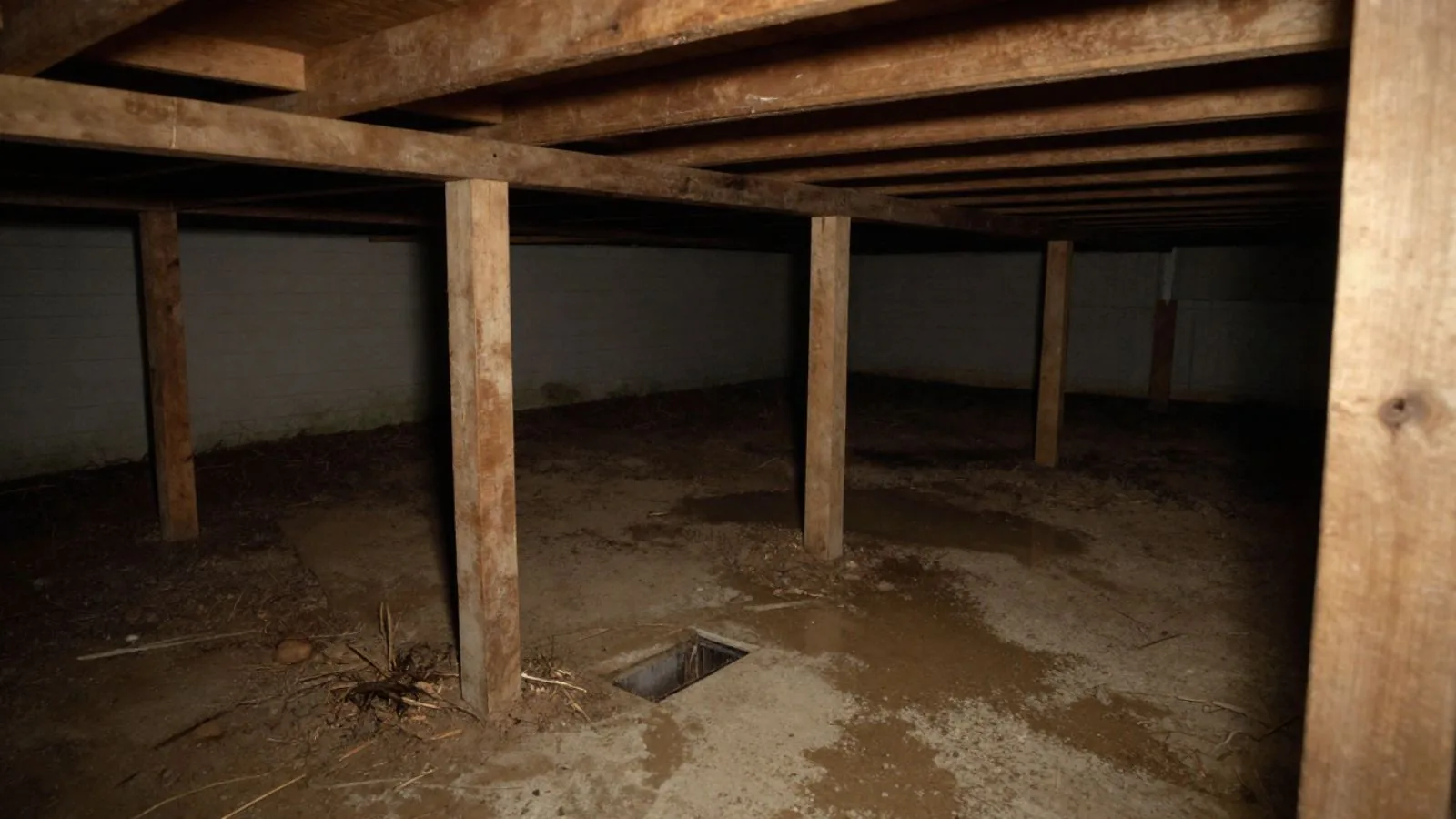
Basement mold can be a problem, but the answer to whether it is dangerous depends on the person, the amount and the cause. Mold spores are in every home's air in small numbers. The trouble starts when moisture lets growth take hold and the number of spores rises. This post summarizes what the EPA says and what a homeowner can reasonably do. It is not medical advice, and a doctor is the right person for health questions.
What the EPA says about health
The EPA says mold can cause symptoms in some people, such as stuffy nose, wheezing, red or itchy eyes and skin irritation. People with allergies or asthma may react more strongly. People with weakened immune systems or chronic lung disease can be at risk of infections. Reactions vary a great deal, and many people have none.
The agency also says there are no federal limits for mold or mold spores in homes. That means no lab number can declare a basement safe or unsafe. Because of that, the practical advice is the same in most cases: find the moisture, clean up or remove the growth and keep the space dry.
Who should be most careful
- Infants and young children.
- Older adults.
- People with asthma or allergies.
- People with weakened immune systems.
- People with chronic lung disease.
If someone in the household fits one of those groups and a basement has visible growth, treat it more seriously. Keep them out of the area during cleanup, and ask their doctor about symptoms.
Basements in Wildwood and nearby river towns
Wildwood basements range from dry hilltop homes to lots near creeks that take on water in heavy rain. In river towns such as Eureka and Valley Park, flooding has put water into lower levels, and flood water carries contamination that makes mold cleanup a different job. The Missouri Department of Commerce and Insurance notes that flood damage is not typically covered by standard policies, so a flooded basement can also be a financial problem that needs early planning.
Signs that mold may be present
- A musty or earthy smell.
- Visible spots, fuzzy patches or staining on walls, ceilings or boxes.
- Peeling paint or wallpaper.
- Condensation on windows and cold pipes.
- Water stains or past flooding.
A smell without visible growth can mean hidden mold in a wall, under flooring or above a ceiling. The crawl space page describes a similar hidden problem.
What to do first
Look for the moisture, because mold is a symptom. Check for leaks, groundwater seepage, a failed sump pump, a dryer vent, a water heater and condensation. Fix the source. Then dry the space, keeping humidity below 60 percent, and ideally between 30 and 50 percent, per the EPA. The basement water damage page covers how a wet basement is dried.
Next, decide how big the problem is. The EPA gives about 10 square feet as a rough limit for do-it-yourself cleanup on hard surfaces. Larger or hidden growth calls for professionals following the IICRC S520 standard, as described on the mold remediation page.
What not to do
- Do not stir it up. Dry brushing and sweeping spread spores.
- Do not paint over mold. It grows through paint.
- Do not rely on bleach alone. It does not fix the moisture or remove the allergens.
- Do not seal moldy materials in place with sealant and hope.
- Do not ignore a musty smell. It usually points to a source.
Testing and its limits
Air and surface tests can tell you what is present, but without federal limits they cannot say if a level is safe. Test results also change from day to day. Visible growth plus a moisture source is usually enough to act. Someone who wants a test should hire an independent professional and understand what the results can and cannot tell them. Our clearance testing post covers that in more detail.
When to call
Call if the mold covers a large area, came back after cleaning, followed sewage or flood water, or if anyone in the home is at higher risk. The sewage backup page covers contaminated water. For a river-town example, see the Valley Park page.
Talking to your doctor
If someone in the home has symptoms that seem linked to a damp or moldy space, such as a stuffy nose, coughing or wheezing that gets better away from the house, mention it to a doctor. Doctors can evaluate allergies and breathing problems and can say whether mold exposure is a likely contributor. A home test result alone cannot tell you whether a symptom is caused by mold.
Renters, buyers and sellers
Renters should report water and mold to the landlord in writing, with photos, and keep copies. Buyers can look for stains, smells, new paint in odd places and a dehumidifier running in the corner, and can ask about past water events. Sellers should keep records of repairs and drying, since buyers ask. Honest records make a sale easier.
Why moisture control is the real fix
Cleaning mold without removing the water is a short-term result. Over the long term, the useful steps are controlling humidity, fixing leaks, improving drainage and ventilating bathrooms and laundry areas. Those steps lower the amount of mold in the whole home, not only the visible patch.
A quick home checklist
Walk the basement once a month with a flashlight. Look at the corners, the base of walls, the water heater area and the ceiling under bathrooms. Smell for mustiness. Check the dehumidifier tank and the hygrometer. Write down the reading. A short routine finds problems while they are small.
Questions homeowners ask
Can basement mold make you sick?
It can cause symptoms in some people, especially those with allergies, asthma or weak immune systems. Reactions vary widely.
Is black mold always toxic?
Color does not tell you how a mold affects people. Treat any growth as a moisture problem and clean or remove it.
Do I need to leave my house for basement mold?
Usually not for small areas. Keep at-risk people out of the area and limit exposure during cleanup.
Does a flooded Wildwood basement need extra care?
Yes. Flood water is contaminated, and wet materials should be removed and dried quickly.