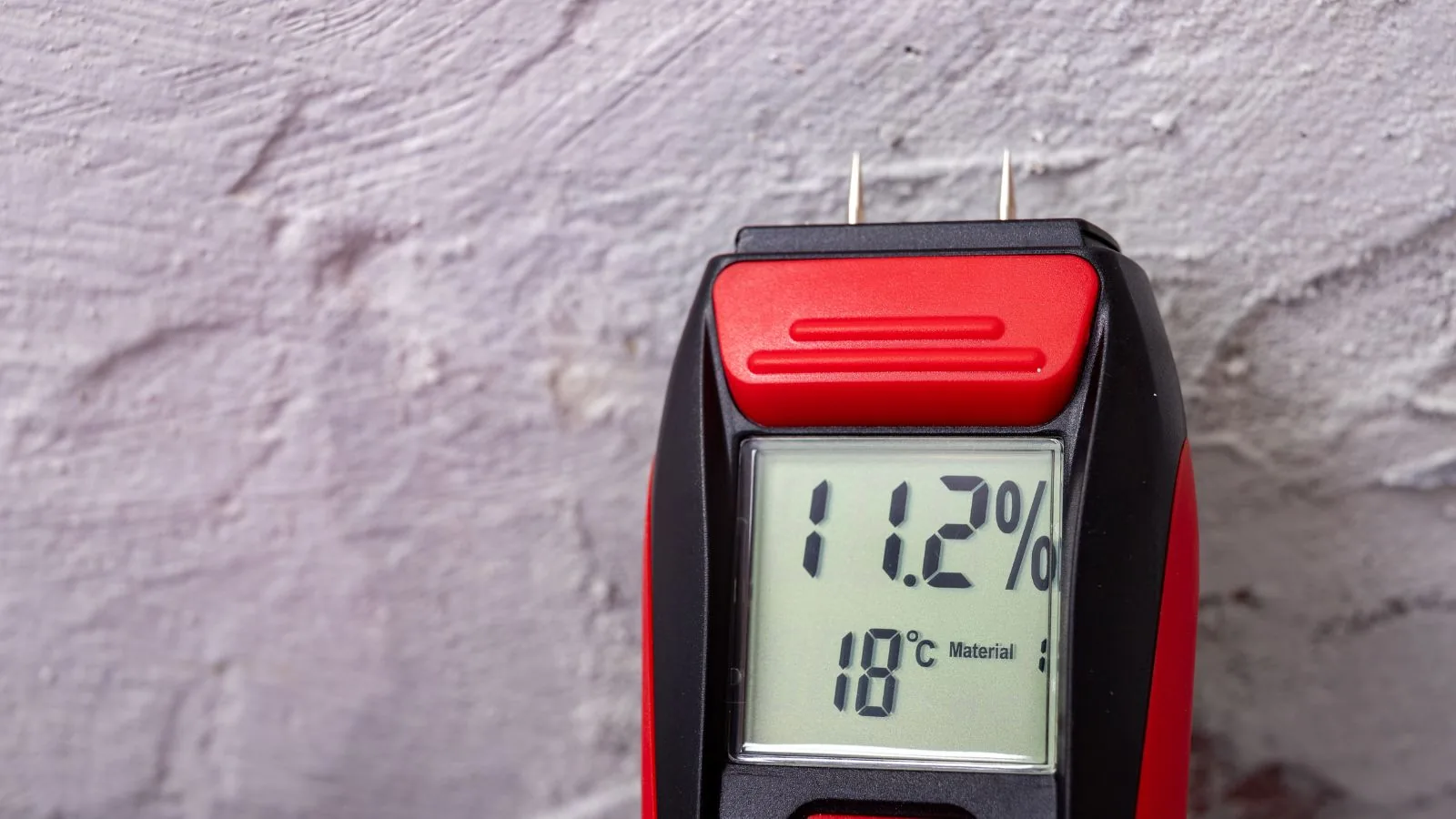
Mold clearance testing, also called post-remediation verification, is the step after cleanup that checks whether the work achieved its goals. It combines a visual inspection, moisture readings and sometimes air or surface samples. It is optional in many cases, but homeowners often ask for it, especially when someone has health concerns or an insurer or buyer wants proof.
What clearance checks
A thorough check has several parts, and the sampling is only one of them.
- Visual inspection. No visible growth, dust or debris remains in the work area.
- Moisture readings. The materials in the area are dry compared with normal references.
- Source control. The cause of the moisture has been fixed.
- Containment removal. Barriers and equipment are taken down properly.
- Sampling, if used. Air or surface samples may be compared with outdoor air or an unaffected room.
The IICRC S520 standard describes the remediation work that precedes this. The mold remediation page walks through it.
The limit you need to know
The EPA states there are no federal limits for mold or spores. Lab results therefore have no single pass number from the federal government. A professional interprets the results by comparing them with outdoor samples, with an unaffected area of the home and with the condition of the space.
This is why a clean visual inspection and dry readings carry weight. A test result on its own can mislead, because spore counts vary by day, weather and activity. Treat testing as one piece of evidence, not a certificate.
Who should do it
Many homeowners prefer that the person who verifies the cleanup is separate from the person who performed it, so the check is independent. Others rely on the remediation company's own verification. Either way, ask who will do it, what they will check and what the report will say.
Ask whether your state or city licenses mold assessors or remediators, and ask for proof. Licensing rules are something to verify directly, not assume.
Wildwood paperwork to keep
Keep the written scope, the containment and drying records and any clearance report with your house file. If the work followed flooding, note that Wildwood's floodplain code requires a floodplain development permit for development in a mapped flood area and has a 50 percent substantial damage rule. If you sell, buyers in a river-valley town often ask about past water and mold, and a clear file answers those questions.
Questions to ask before you pay
- What does the clearance check include?
- Will there be a visual inspection and moisture readings, not just samples?
- How will samples be compared and by whom?
- Will I get a written report?
- What happens if the result is not clear?
When it makes the most sense
Clearance testing is most useful when someone in the home has asthma or a weakened immune system, when a large area was affected, when mold followed sewage or flood water, when an insurer or lender requires it or when you plan to sell. For a small cleanup on a hard surface, a careful visual check and dry readings may be enough.
If the result is not clear
If growth or high readings remain, the likely reason is moisture. Find the source, fix it and repeat the dry-out. The structural drying page explains how readings are tracked. Re-cleaning without drying leads to the same result.
For homes that flooded, see the flood damage page and the Eureka page.
Types of samples
Air samples capture a measured volume of air on a collection device, which a lab then examines for spores. Surface samples use a swab or tape lift on a specific spot. Each tells a different story. Air samples show what is floating around at that moment, and surface samples show what has settled or is growing on that spot.
Because outdoor spore counts change with season and weather, a good air test includes an outdoor sample taken at the same time as a comparison. Without a comparison, the numbers are hard to read.
Timing and preparation
Clearance testing is normally done after cleaning and drying, once containment has come down or is about to. Dust settles for some time after work stops, and testing too soon can pick up disturbed dust. Ask the person doing the check when they plan to test and what they need the home to be like.
Reading the report
A report should say what was checked, where, with what method and what the results were compared with. It should also state the visual findings and moisture readings. If the report is only a table of numbers with a one-line conclusion, ask for more detail. If something is unclear, ask the author to explain it in plain words.
Cost and value
Testing adds cost, and the value depends on your situation. If a small, well-documented job passed a visual check and dry readings, additional sampling may not add much. If the home has a vulnerable resident or a sale is pending, the report can be worth having. Decide based on your needs, not on a sales pitch.
When testing is the wrong tool
Testing cannot tell you why mold grew, and it cannot replace fixing a leak. If a wall is wet, drying it matters more than any sample. If you cannot see growth but smell mold, a moisture investigation with a meter and thermal camera usually reveals more than an air test does. Use sampling to answer a specific question, not as a way to avoid making a decision.
Questions homeowners ask
Is mold clearance testing required?
Not usually. It is optional unless an insurer, lender or buyer requires it.
What is a passing result?
There is no federal pass number. Results are interpreted against outdoor air, other rooms and the condition of the space.
Should the remediation company do the testing?
Many people prefer an independent party. Ask who will do it and what it covers.
Does clearance mean mold will never return?
No. Mold returns if moisture returns, so keep humidity low and fix leaks quickly.