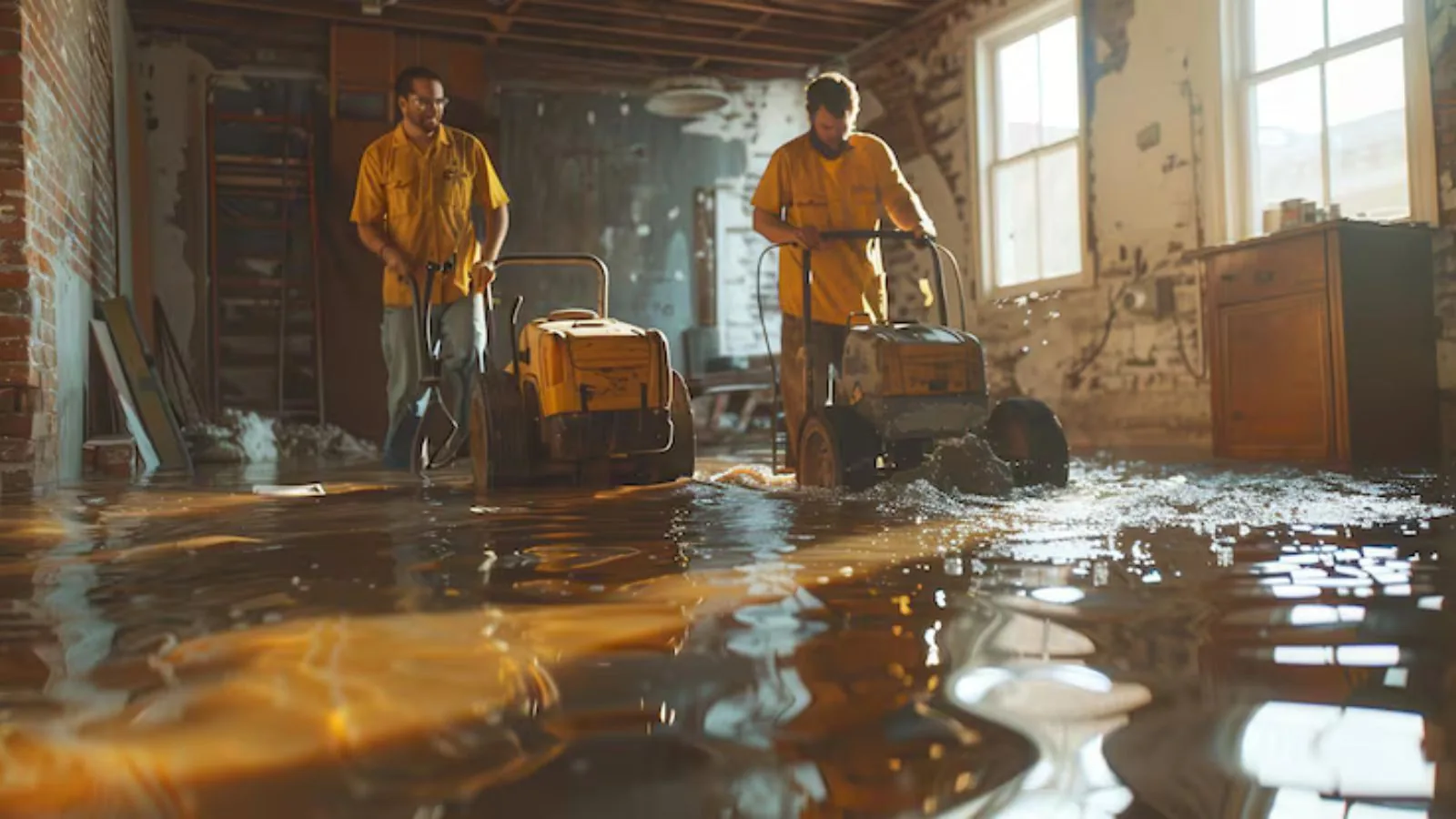
Filing a water damage insurance claim is mostly a record-keeping job. Insurers decide claims on evidence, so photos, dates, receipts and drying records matter as much as the damage itself. This checklist walks through the first hours and the following weeks, using guidance from the Missouri Department of Commerce and Insurance. It does not promise any outcome, because only your insurer decides what your policy pays.
Step 1: Make it safe
Before anything else, stop the water if you can. Close the main valve for a pipe, unplug appliances only if the floor and outlet are dry, and stay out of rooms where water meets electricity. Call 911 for any fire or shock risk. Safety comes ahead of documentation, and no photo is worth an injury.
Step 2: Photograph before you touch anything
The department advises documenting damage before making temporary repairs. Take wide shots of each room, then close-ups of the affected walls, floors and ceilings. Record a slow video as you walk through and say the room names aloud. Photograph the source, such as a failed hose or a cracked fitting, and keep the part if you can.
Photograph damaged belongings too, including labels or serial numbers when they are visible. A written list with approximate age and value helps later.
Step 3: Stop further damage
Policies generally expect you to take reasonable steps to prevent more loss. That can mean shutting off water, removing standing water, moving contents and calling for emergency drying. The water extraction page explains what comes first. Temporary measures such as tarping or board-up count too, and the storm page covers those.
Keep every receipt for supplies and services. The department specifically advises keeping receipts for emergency repairs.
Keep utility and city contacts in the file
Wildwood's city FAQ says water is provided by Missouri American Water and sewer by MSD Project Clear. If the loss involves a main break or a sewer problem outside your house, note the date and time you reported it to the utility, because your insurer may ask. For repairs, Wildwood's Planning Department handles zoning authorization, and building permits follow St. Louis County codes. Save any permit paperwork with your claim file.
Step 4: Call your insurer promptly
Contact your insurer as soon as you can. Have your policy number ready, a short description of what happened and when you noticed it, and the photos. Ask for a claim number, the adjuster's name and what documents they need. Write down the date, the time and the name of each person you speak with.
Ask whether you need approval before work starts. Mitigation is usually time-sensitive, so tell them drying has begun or is about to.
Step 5: Keep drying records
A crew that dries your home should log moisture readings, equipment placement and dates. Those logs show the loss was handled and the structure reached a dry standard. The structural drying page explains the readings. Ask for copies and add them to your file.
Step 6: Meet the adjuster
An adjuster will inspect the damage and estimate the cost. Walk them through every room, show your photos and give them copies of receipts. Do not throw away damaged materials before they have seen them unless health or safety requires it, and photograph anything you discard. If you disagree with the estimate, ask for an explanation in writing.
Step 7: Track everything
Keep a single folder, physical or digital, with the claim number, photos, receipts, drying logs, estimates and a log of calls. Follow up in writing when you speak by phone. A short email summarizing the call creates a record.
If you have to live elsewhere because of the damage, ask your insurer whether the policy covers additional living expenses and keep those receipts too.
What not to do
- Do not sign a contract or a direction to pay before you understand it.
- Do not assume a restoration company can promise approval of a claim.
- Do not let mold sit while you wait. The EPA advises drying within 24 to 48 hours.
- Do not discard evidence without photographing it.
If the water came from a creek or river, remember that flood is usually not covered by a standard policy, according to the Missouri Department of Commerce and Insurance. The flood damage page describes the cleanup, and the Pacific page shows how a river town handles it.
When to call us
Call the 24/7 line when water is in the house. Drying should start while the claim is being opened, since waiting makes the damage and the paperwork bigger. Scope and price are explained before work starts, and the crew can give you moisture logs and photos for your file.
Common mistakes to avoid
- Waiting too long to call, which lets the damage grow.
- Throwing out materials before the adjuster sees them or before you photograph them.
- Making permanent repairs before the adjuster has looked.
- Agreeing to a settlement before you know the full scope.
- Failing to ask about deductibles and limits.
Supplements and surprises
Hidden damage is common. When walls are opened, the scope can grow. If that happens, tell the adjuster right away and send new photos. Insurers typically have a process for adding items to a claim. Keep a list of anything found after the first inspection and send it in writing.
Keeping the pace
Claims can drag. Keep a calendar of calls, reply promptly to requests and keep your folder updated. If a month passes without progress, follow up in writing. If you have a dispute you cannot resolve, the Missouri Department of Commerce and Insurance accepts consumer questions and complaints.
Questions homeowners ask
How soon should I report water damage to my insurer?
As soon as you reasonably can. The Missouri Department of Commerce and Insurance advises contacting your insurer promptly.
What should I photograph for a water damage claim?
The source, each affected room, damaged belongings and any materials before they are removed.
Can I start drying before the adjuster arrives?
Usually yes, and policies often expect you to limit further damage. Photograph first and keep records.
Do I have to use my insurer's contractor?
Generally you can choose your own contractor, but ask your insurer what your policy says.